Building the next
generation of scientists
and researchers
Nishan Institute is expanding access to research by connecting ambitious students with researchers, mentors, and opportunities that turn curiosity into meaningful scientific work.
Research should be
open to everyone
See how we're giving students the mentorship, resources, and opportunities to pursue meaningful scientific work.
Learn moreLife sciences
The Life sciences team investigates the biological systems that govern human health and disease, spanning molecular biology, chemistry, genetics, neuroscience, pharmacology, and biomedical engineering.
Computational Systems
The Computational Systems team explores machine learning, distributed systems, algorithms, computer vision, robotics, and computational methods that advance scientific discovery across disciplines.
Mathematical Sciences
The Mathematical Sciences team studies the mathematical foundations of computation and the natural sciences, including optimization, probability, statistics, dynamical systems, and theoretical mathematics.
AI for Science
The AI for Science team explores how foundation models can accelerate scientific research by supporting literature synthesis, scientific reasoning, hypothesis generation, and interdisciplinary discovery.
By the numbers
What we’ve built.
Global community
More than two hundred and eighty students, mentors, and collaborators take part in Nishan, contributing to original research, peer review, and educational programming across the sciences.
Nishan community, 2026
Students, mentors, and collaborators worldwide.
Mentorship
Fifteen active mentors, doctoral, graduate, and undergraduate researchers affiliated with top-20 U.S. institutions, advise student work directly rather than as honorary participants.
Nishan mentor network, 2026
Drawn from top-20 U.S. institutions.
Research labs
Eight research labs operate concurrently across the life, computational, mathematical, and applied sciences, each pairing students with practicing researchers on ongoing work.
Nishan research teams, 2026
Running concurrently across disciplines.
Reach
Nishan's research and educational output has surpassed thirty thousand impressions, carrying the work well beyond the institutions that produced it.
Nishan publications and channels, 2026
Cumulative across platforms to date.
Educational department
Three titles, books and structured courses, have been published through Nishan's educational department, with further volumes in active preparation.
Nishan Education, 2026
Additional titles in preparation.
Peer review
Every manuscript admitted to the scientific record undergoes the same double-blind peer review that governs professional scientific literature, assessed by faculty-affiliated evaluators.
Journal of Youth in Medical Science
Faculty-affiliated reviewers, published criteria.
Each figure reflects Nishan’s own community, programs, and published work, current as of 2026. Where a number is approximate, it is stated as a floor.
Latest news
Nishan launches its first research cohort with seven interdisciplinary teams
We're launching Nishan's first research cohort, bringing together more than 28 students across seven teams with undergraduate mentors from top-10 universities and other research institutions.
Read more
Our core initiatives
The peer review system is the infrastructure of scientific truth, and it was not designed to include students. That exclusion does not reflect the distribution of scientific talent. It reflects a structural assumption that rigorous scholarship begins at the graduate level, and that assumption is costing the field. Our Journal of Youth in Medical Science applies the same double-blind review standards that govern professional scientific literature to original student research across biology, chemistry, physics, engineering, computer science, and the health sciences. We recruit faculty-affiliated reviewers and active researchers as evaluators, not as honorary participants, and we publish our editorial criteria and acceptance methodology because transparency in peer review is what separates legitimate scholarship from a participation credential. We are actively pursuing indexing in PubMed and Web of Science. Every student research journal should disclose how it evaluates work and publish those standards openly. We do.
Access to research tools has always tracked institutional resources, and the distance between what a student at a research-intensive university can access and what a first-generation student at an under-resourced institution can access is not an accident of talent. It is a structural failure of how scientific training is organized. Nishan builds the infrastructure that pre-professional students across all STEM disciplines need to produce original work regardless of where they are enrolled — curated methodological guides, IRB navigation resources, open-access dataset libraries, statistical analysis frameworks, and annotated literature review templates developed with faculty partners across institutions. These tools are freely available and carry no institutional gate. We update them continuously in response to what the research actually requires, not what a curriculum committee decided five years ago. The most foundational resources in science — how to design a study, how to handle data, how to write for publication — should not be premium goods distributed through elite affiliations. At Nishan, they are not.
The pipeline from curious student to practicing researcher is not as narrow as aptitude would predict. It is as narrow as access allows. Students without research-active mentors, without proximity to working laboratories, and without early exposure to scientific culture are not absent from STEM because the work is too difficult. They are absent because the infrastructure of science has not reached them. Nishan runs structured outreach programs that deliver STEM mentorship, research methodology training, and scientific career development directly to students in under-resourced schools, rural districts, and community colleges across the country. We do not measure the success of these programs by events hosted or students reached. We measure it by whether participants go on to conduct original research, apply to competitive programs, and persist in their fields. We track and publish those outcomes because inspiration without accountability is not a pipeline strategy. Every organization claiming to advance STEM access should do the same.
Artificial intelligence is changing how science is done, and most students entering STEM today will work alongside AI systems before anyone has taught them how those systems reason, where they fail, or what assumptions they encode. That gap creates real risk — for the integrity of student research and for a generation of scientists expected to evaluate AI-generated outputs without the training to do so critically. Our Helix AI Lab gives students access to AI-augmented research tools and pairs that access with rigorous instruction in the mechanics, limitations, and failure modes of the systems they are using. We support machine learning applications across scientific domains, from literature synthesis and hypothesis generation to computational biology and data analysis pipelines, and we document the constraints of every tool we deploy. We are developing a responsible AI curriculum for pre-professional STEM students built on the principle that AI fluency is not separable from scientific judgment. Every research training program that incorporates AI tools should publish documentation of their limitations. We publish ours.
Science advances through structured conversation between researchers at every level of training, and that conversation has always been harder to access for students outside major research universities. Proximity to intellectual community should not be a function of zip code or institutional affiliation, but for most students it is. Nishan runs a sustained program of academic events — seminars, research symposia, and methodology workshops — designed to bring students into the active intellectual life of their fields on equal footing with those who inherited that access. Our speaker series convenes practicing researchers, clinicians, engineers, and computational scientists presenting live work to student audiences equipped to engage with it critically, not simply to observe. Our research symposia provide formal presentation venues with prepared discussants and structured peer critique. All events are free to attend, open to students at any institution, and fully archived for public access. The scientific conversations that produce the next generation of researchers should not require a university ID. At Nishan, they do not.
Courses in the Academy
Adaptive, self-paced, and free. New courses ship here first.
How Research Works

Research methods
Twelve lessons that take you from reading a paper you only half understand to designing and standing behind a study of your own. You will learn to hear what a paper is really claiming, turn a loose curiosity into a question you can test, and read what statistics can and cannot say. It adapts as you go, so you spend time where you need it.
12 lessons · 12 quizzes · 6.5 hr · Free
The Art of the Literature Review

Research methods
A beginner course on the craft of the literature review: where research lives and how to search it, how to tell a credible source from a predatory one, and how to read for the argument and synthesize across papers instead of summarizing them one by one. You finish with an annotated bibliography and a review outline of your own.
4 lessons · 4 quizzes · 2.8 hr · Free
To be released
In development
A future course in the Academy. We build each one in the open and release it here first. Check back soon.
To be released
In development
A future course in the Academy. We build each one in the open and release it here first. Check back soon.
To be released
In development
A future course in the Academy. We build each one in the open and release it here first. Check back soon.
How Research Works
Research methods
Twelve lessons that take you from reading a paper you only half understand to designing and standing behind a study of your own. You will learn to hear what a paper is really claiming, turn a loose curiosity into a question you can test, and read what statistics can and cannot say. It adapts as you go, so you spend time where you need it.
12 lessons · 12 quizzes · 6.5 hr · Free
The Art of the Literature Review
Research methods
A beginner course on the craft of the literature review: where research lives and how to search it, how to tell a credible source from a predatory one, and how to read for the argument and synthesize across papers instead of summarizing them one by one. You finish with an annotated bibliography and a review outline of your own.
4 lessons · 4 quizzes · 2.8 hr · Free
To be released
In development
A future course in the Academy. We build each one in the open and release it here first. Check back soon.
To be released
In development
A future course in the Academy. We build each one in the open and release it here first. Check back soon.
To be released
In development
A future course in the Academy. We build each one in the open and release it here first. Check back soon.
Research Teams
Our research teams support collaborative investigation across the sciences, connecting students with experienced researchers to contribute to ongoing projects in biology, chemistry, medicine, mathematics, computer science, and AI.
Filter
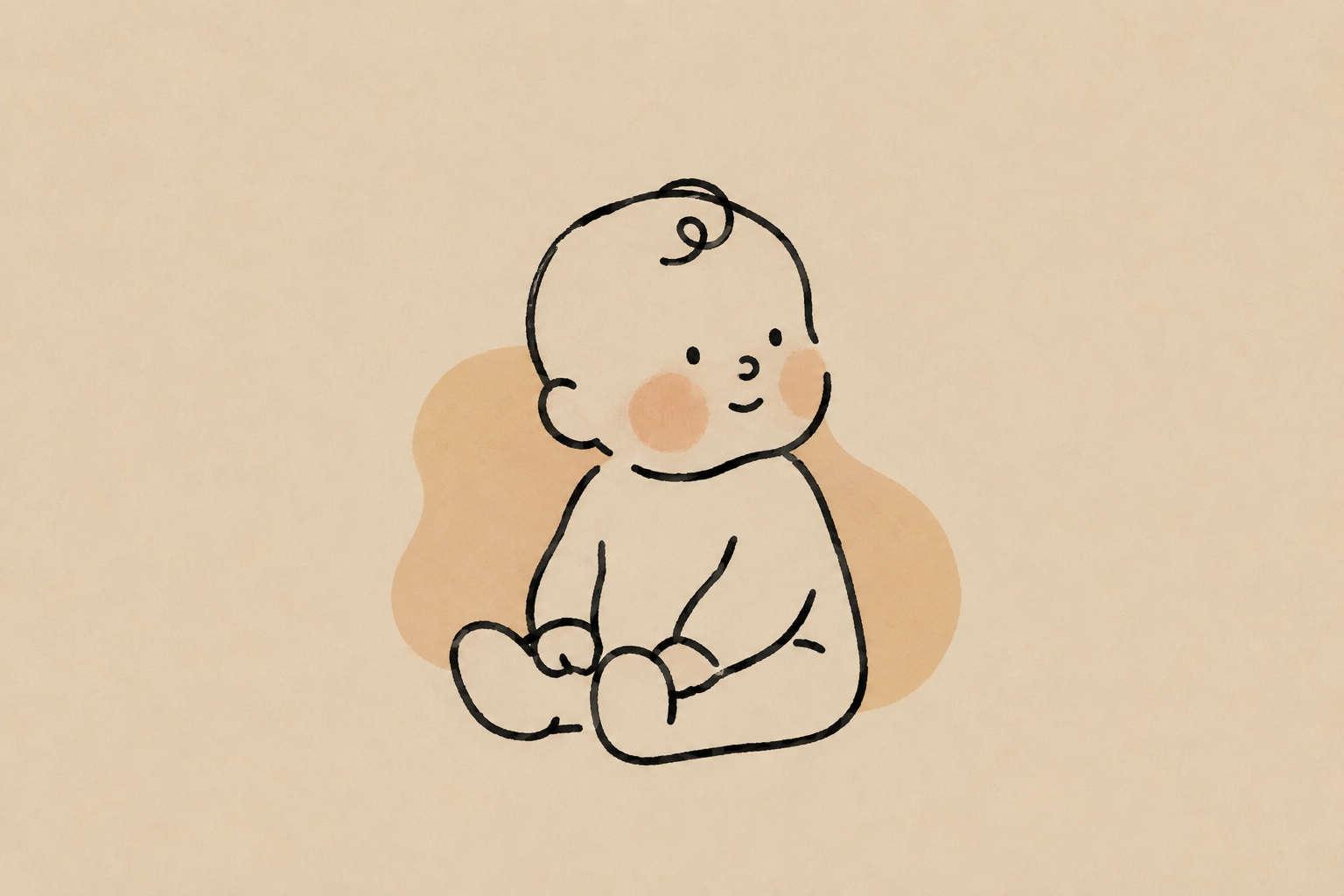
Endocrine Transitions and Cognitive-Emotional Regulation in Postpartum Depression
Although postpartum psychology has been extensively studied through depression, anxiety, and maternal mood, considerably less is known about how postpartum endocrine changes interact with specific cognitive-emotional processes underlying these conditions.
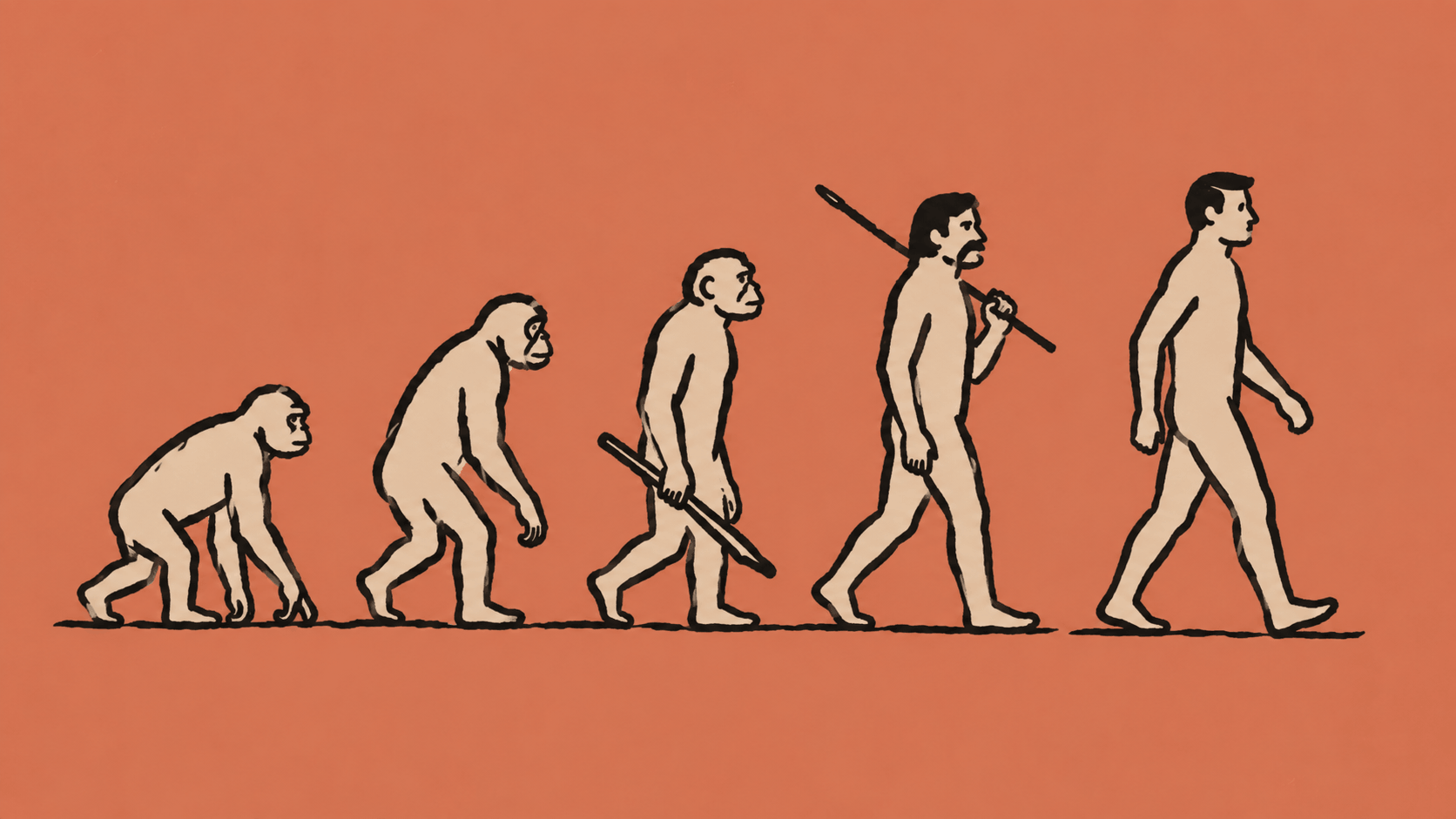
Evolutionary Conservation of Dormancy Mechanisms Across the Tree of Life
Dormancy has evolved independently across nearly every major branch of life, allowing organisms to survive prolonged periods of environmental stress through states such as diapause, hibernation, quiescence, anhydrobiosis, seed dormancy, and microbial persistence.
Spectral Stability of Graph Laplacians Under Structured Edge Perturbations
This project asks whether structured edge perturbations lead to consistent patterns of spectral change that are independent of the underlying graph construction.
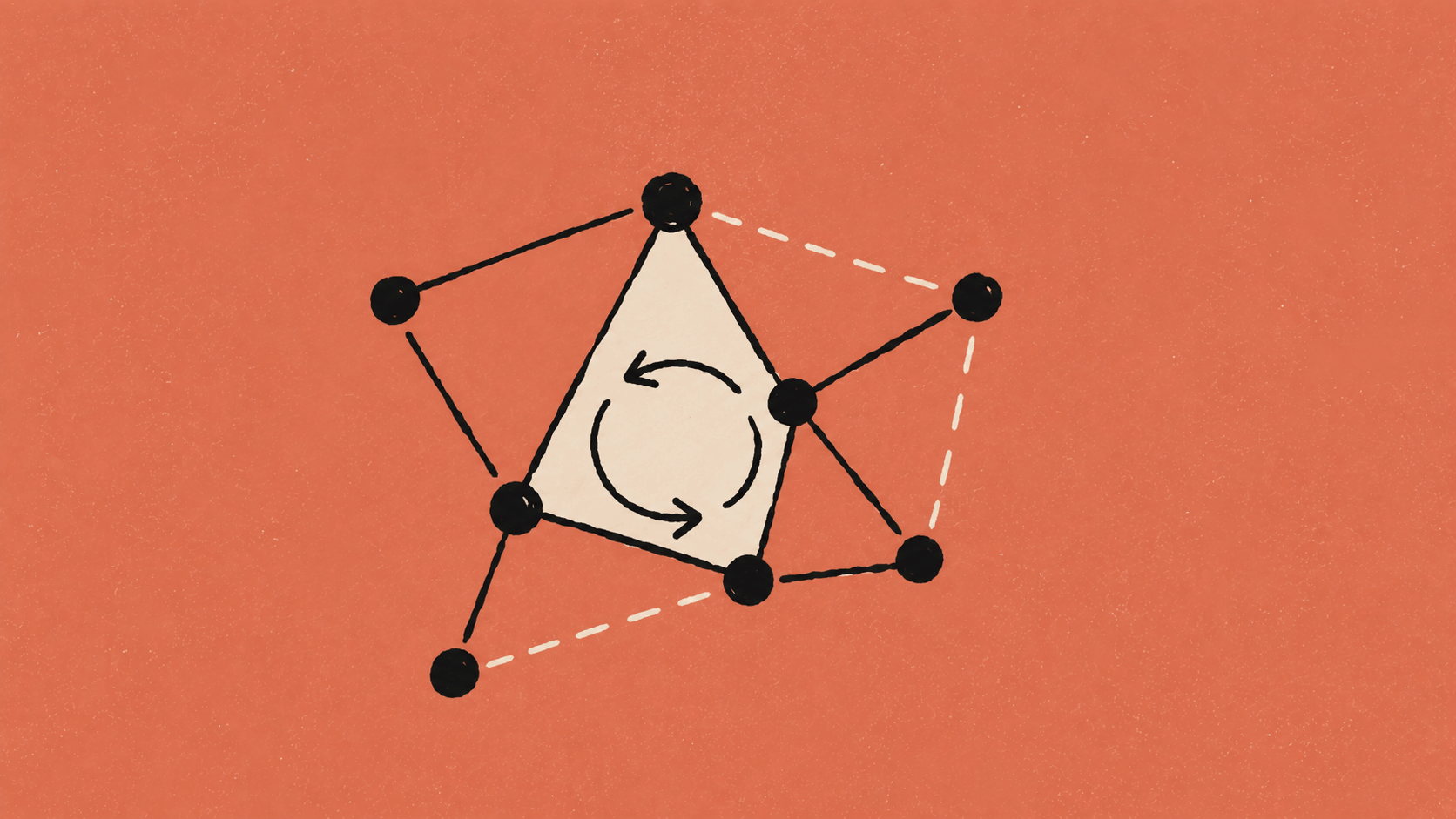
Persistent Homology as a Framework for Detecting Structural Phase Transitions in Dynamic Social Networks
This project asks whether topological invariants derived from persistent homology identify structural transitions in dynamic networks more effectively than conventional graph statistics.
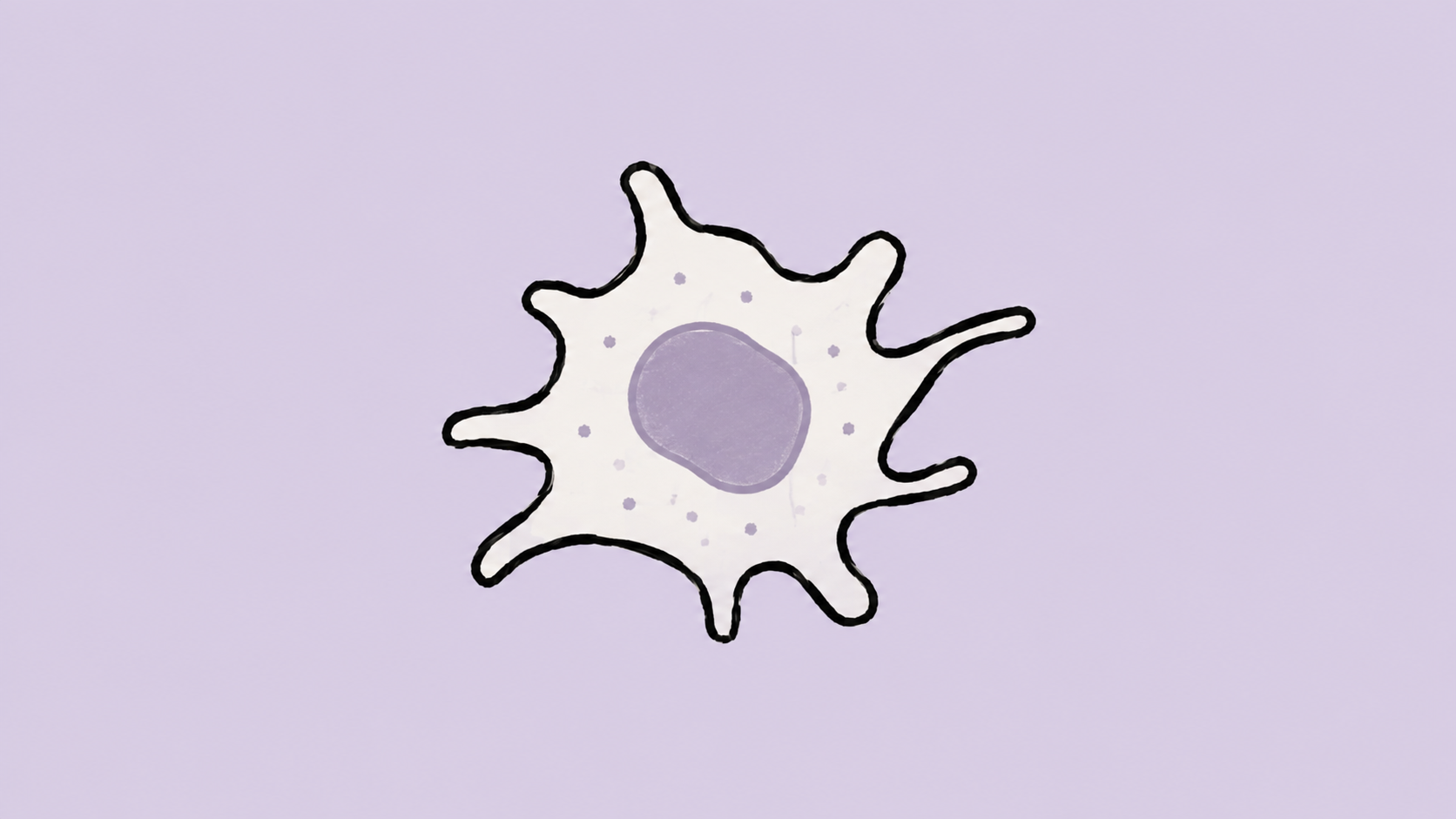
Spatial Transcriptomic Profiling of Tumor-Associated Macrophage Polarization States Mediated by TGF-β1 Signaling Gradient in Pancreatic Ductal Adenocarcinoma Microenvironment
This literature review will examine the spatial heterogeneity and functional plasticity of tumor-associated macrophages (TAMs) within the pancreatic ductal adenocarcinoma (PDAC) microenvironment, emphasizing how gradients of transforming growth factor-beta 1 (TGF-β1) regulate macrophage polarization and contribute to tumor progression.
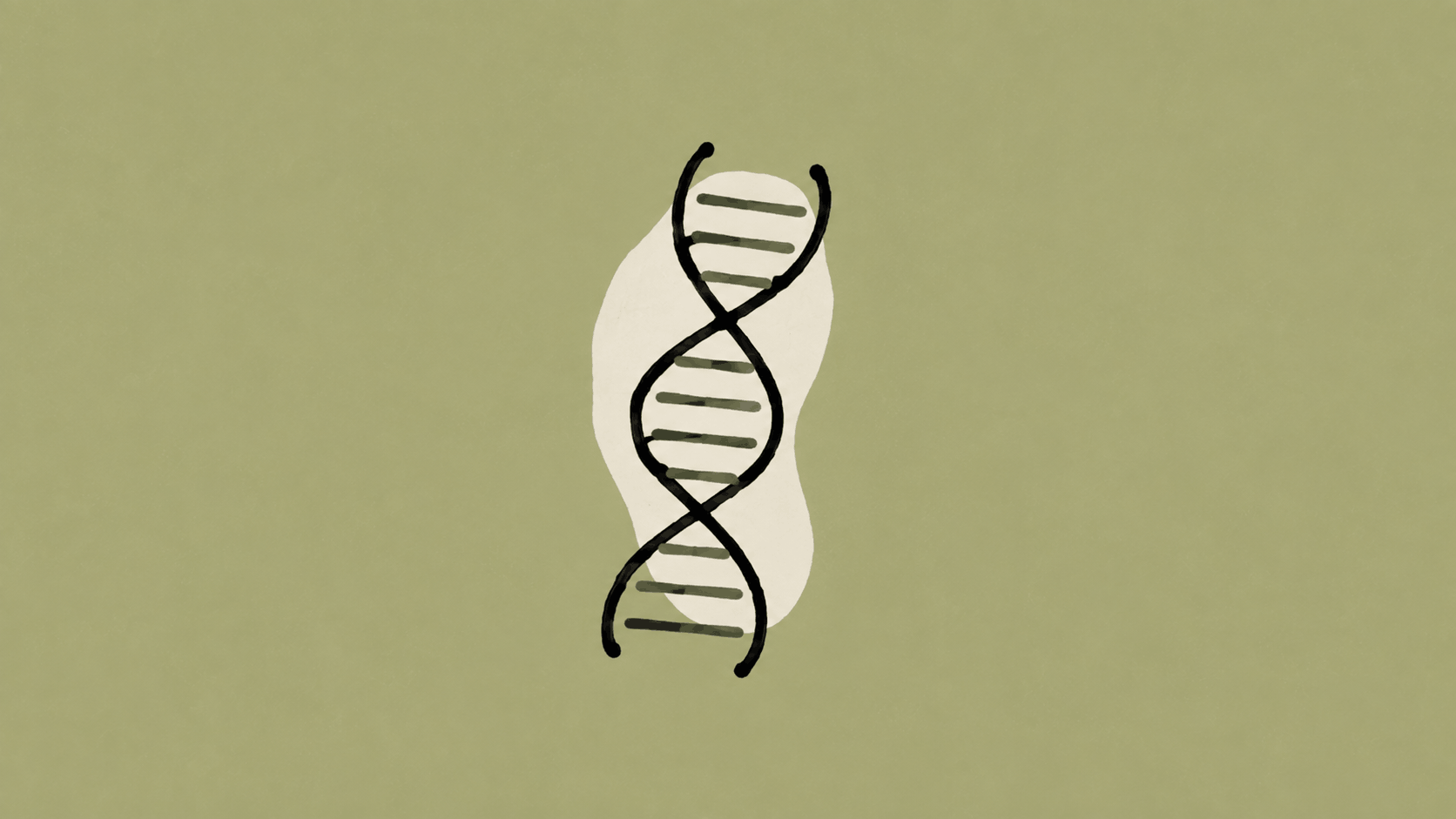
Epigenetic Aging as a Predictor of Immune Decline Across the Human Lifespan
This project investigates whether epigenetic age acceleration is associated with measurable changes in immune system composition and function using large population-based cohorts containing paired DNA methylation profiles and immunological measurements.
New to publishing with us?
Read our author guidelines and submission policy — formatting, ethics, and the full editorial process — before you prepare a manuscript.
Fingerprint™
Your Fingerprint is a living, evidence-backed picture of your research expertise. It is built from what you actually do, sharpens with every project and publication, and shows the reasoning behind every number.
Hover a dimension for its score, evidence count, and how it compares to the cohort median.
you cohort median
Expertise radar
Your research strengths across every dimension, each score computed from verified work and benchmarked against the cohort median.
Build what's next
Get the Nishan newsletter
Research highlights, new publications, and opportunities, and more. Delivered monthly to your inbox.
Please provide your email address if you'd like to receive our monthly newsletter. You can unsubscribe at any time.